What is identity access drift?
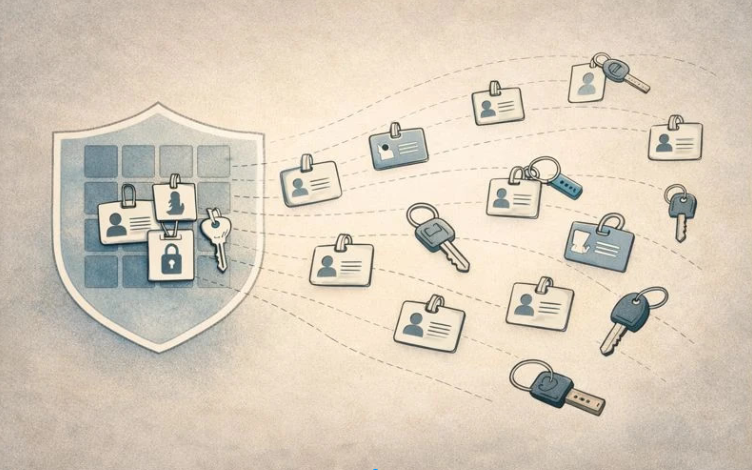
Identity access drift is an enterprise security threat that creates stealth cybersecurity and compliance vulnerabilities. It occurs when user access permissions unexplainably increase and drift away from their authorized and approved assignments (for example, when a normal user becomes a security administrator due to a mistake in provisioning).
Identity access drift changes are frequently unnoticed and unmonitored and can enable serious security threats, including data exfiltration, breaches, and unauthorized access.
This blog provides an overview of what identity access drift is, its causes, risks, and prevention and remediation options.
What causes identity access drift?
Although identity access drift can be caused by code and automation errors, it is mostly enabled by user activity. Figure 1 shows the three main causes of identity access drift and how they relate to actions performed by users, enterprise operations, and security personnel, including:
-
Mistakes: Identity access drift occurring due to errors in manual user account provisioning or deprovisioning.
-
Poor provisioning procedures: Elevated permissions being assigned outside of the IT provisioning system that are seldom approved or documented.
-
Unauthorized downloads and installations: Accessing or downloading unapproved tools, applications, services, and data.
Figure 1: Three main causes of identity access drift
Depending on the identity access drift situation, additional user training, procedure revisions, user discipline, or compliance adjustments may be required after discovery. Table 1 displays several common identity access drift scenarios and the probable causes of each scenario.
Related reading: Five Common Risks of Poor User Account Provisioning
Common identity access drift risk scenarios
| Identity access drift risk scenario |
Probable cause |
| Accidental administrator |
User mistakenly promoted to system administrator or assigned elevated privileges. Mistake never detected and user enjoys using their new permissions. Provides elevated privileges to other users. |
| Ex-president |
User retains privileged access from former role. User assigned to new role and outdated access permissions never rolled back. |
| Field promotion |
DevOps personnel given elevated access to improve productivity. Security admins provide undocumented elevated access, avoiding the rules to enable faster agile development. |
| The forgotten manual |
Manual and forgotten elevated access changes. Temporary changes applied to solve emergency issues were never documented or rolled back after the emergency passes. |
| Ghost user |
A terminated user with active enterprise accounts. Deprovisioning procedures failed to deactivate or remove terminated user account(s). |
| Permanent temporary access |
Elevated access privileges granted for limited time access are still active on the system. External users—including business partners, customers, consultants, and auditors—are granted elevated access for emergency processing, contract work, or special project completion. |
| Policy realignment or misalignment |
Organizational access policy changes not updated for user accounts. Organizationally mandated access policy changes are not fully applied for all users. |
| Shadow IT |
Elevated privileges created for user accounts associated with unauthorized applications. Unmanaged identities and data access paths created inside unauthorized tools and cloud services. |
| Vendor access |
Active vendor software installation user still live on system. Vendor software installation user with elevated authorities still active after a software update or new feature installation. |
Related: Deprovisioning Done Right: Preventing Access Risks During Offboarding
Identity access drift risks
Identity access drifts increase over time and expose an organization to several significant threats, including:
-
Unauthorized access: Provides internal users and external bad actors with more authority to access and modify data and applications.
-
Compliance failures: Drifts lead to inconsistent regulatory controls that cannot be evenly applied to all users. They can cause audit violations where affected users can bypass required data protections.
-
Weakened security controls and increased attack surfaces: Identity access drift scenarios weaken security protections against bad actors and increase the number of attack vectors, making systems more vulnerable.
-
Lack of visibility, audit trails, and reporting: Because identity access drifts happen outside provisioning systems, they may not provide an audit trail. Identity access drifts can be invisible to system auditors and are frequently excluded from audit reporting.
Preventing and remediating identity access drift
Here are six tactics for identity access drift prevention and remediation:
-
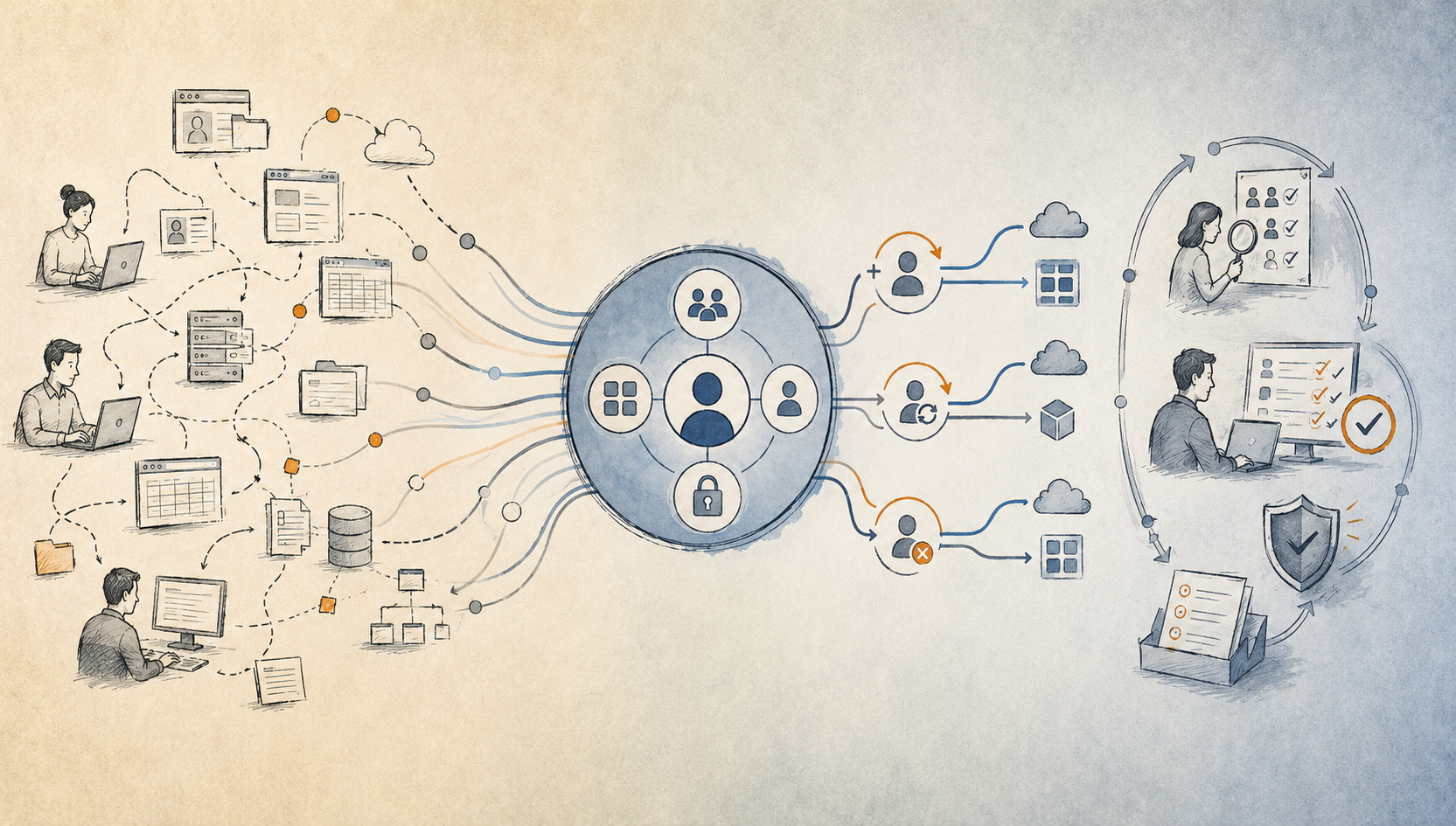
Centralize and automate identity access management: Centralize all provisioning and deprovisioning activities within a centralized IAM solution such as Tello IAM. Automate IAM access provisioning for all systems to avoid manual provisioning mistakes. Use IAM reporting systems to document regulatory compliance.
-
Minimize user access permissions using RBAC, DAC, or MAC: Grant user access by roles, access control lists, and policies rather than individual assignments. Apply the principle of least privilege (POLP) so users have only the minimum access needed.
-
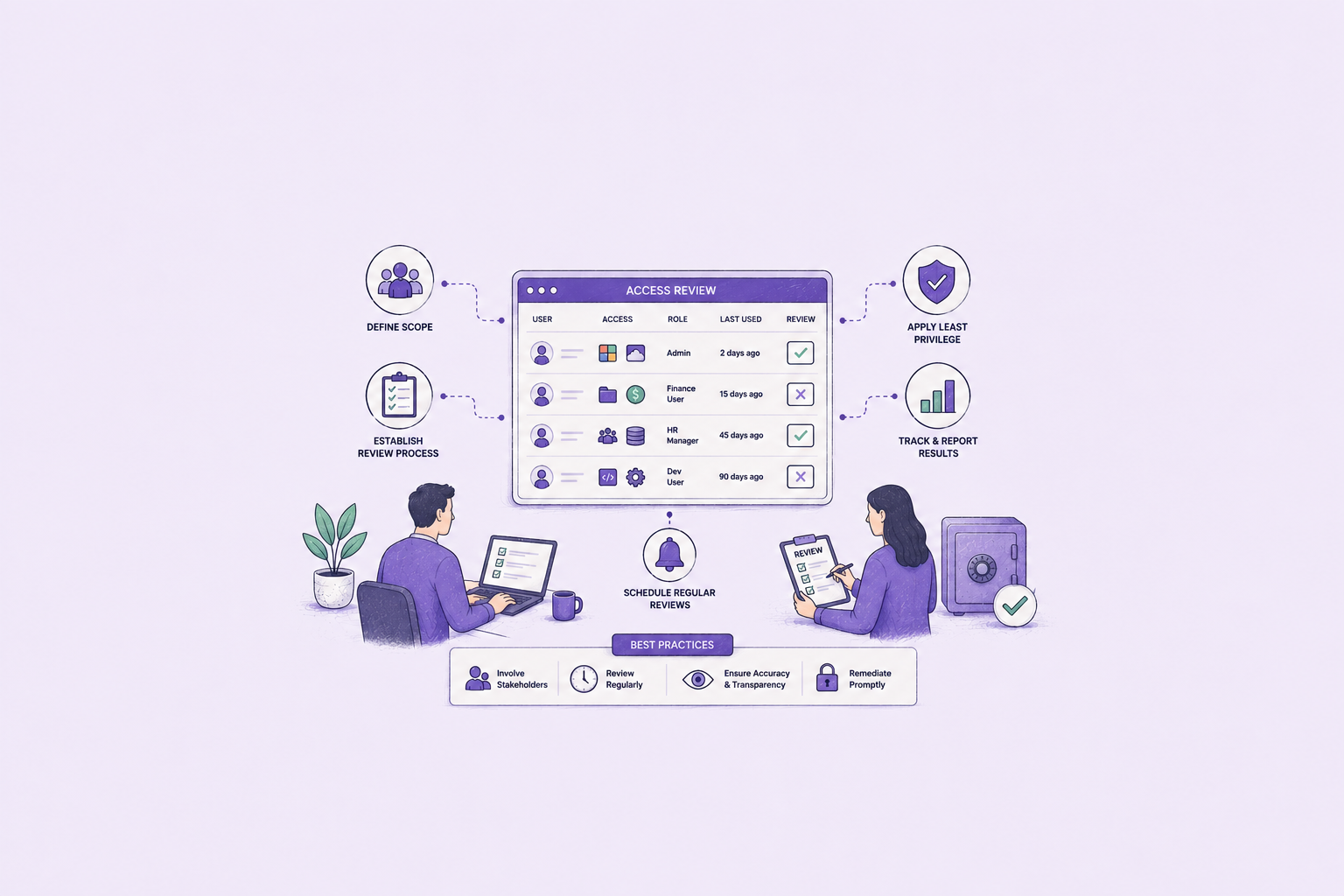
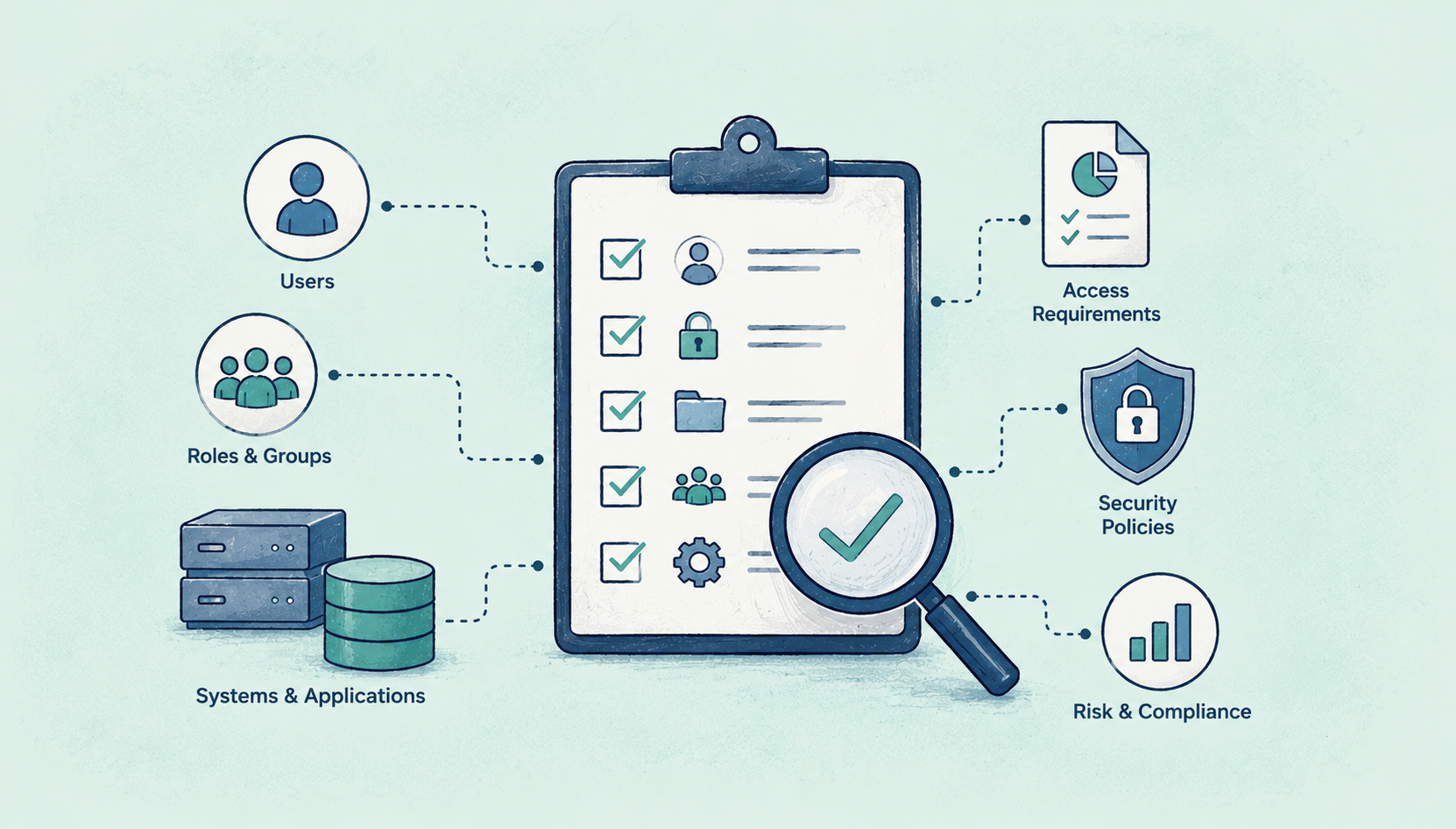
Conduct regular user access reviews: Compare current system access against baseline access definitions to identify and remediate unnoticed identity access drift and support compliance reporting.
-
Configure monitoring and alerting tools: Automated access change monitoring helps catch unauthorized provisioning changes. Some IAM tools provide real-time drift detection and notifications.
-
Use CMDB software to monitor downloads and installations: Configuration management database (CMDB) systems can help detect shadow IT activities that create identity access drift. Incorporate these findings into IT provisioning and deprovisioning workflows.