Using role-based access control with predefined roles for IAM
Role-based access control (RBAC) with predefined roles is a widely used identity access management (IAM) method. RBAC solutions authorize and regulate user access across multiple systems based on predefined end-user roles within an organization.
This article provides an overview of what role-based access control is, how it works, and its key features and benefits, including:
-
What role-based access control (RBAC) is
-
Predefined and custom-defined RBAC roles
-
Basic rules for RBAC implementation
-
Four types of role-based access control roles
-
Benefits of using RBAC roles
What is role-based access control?
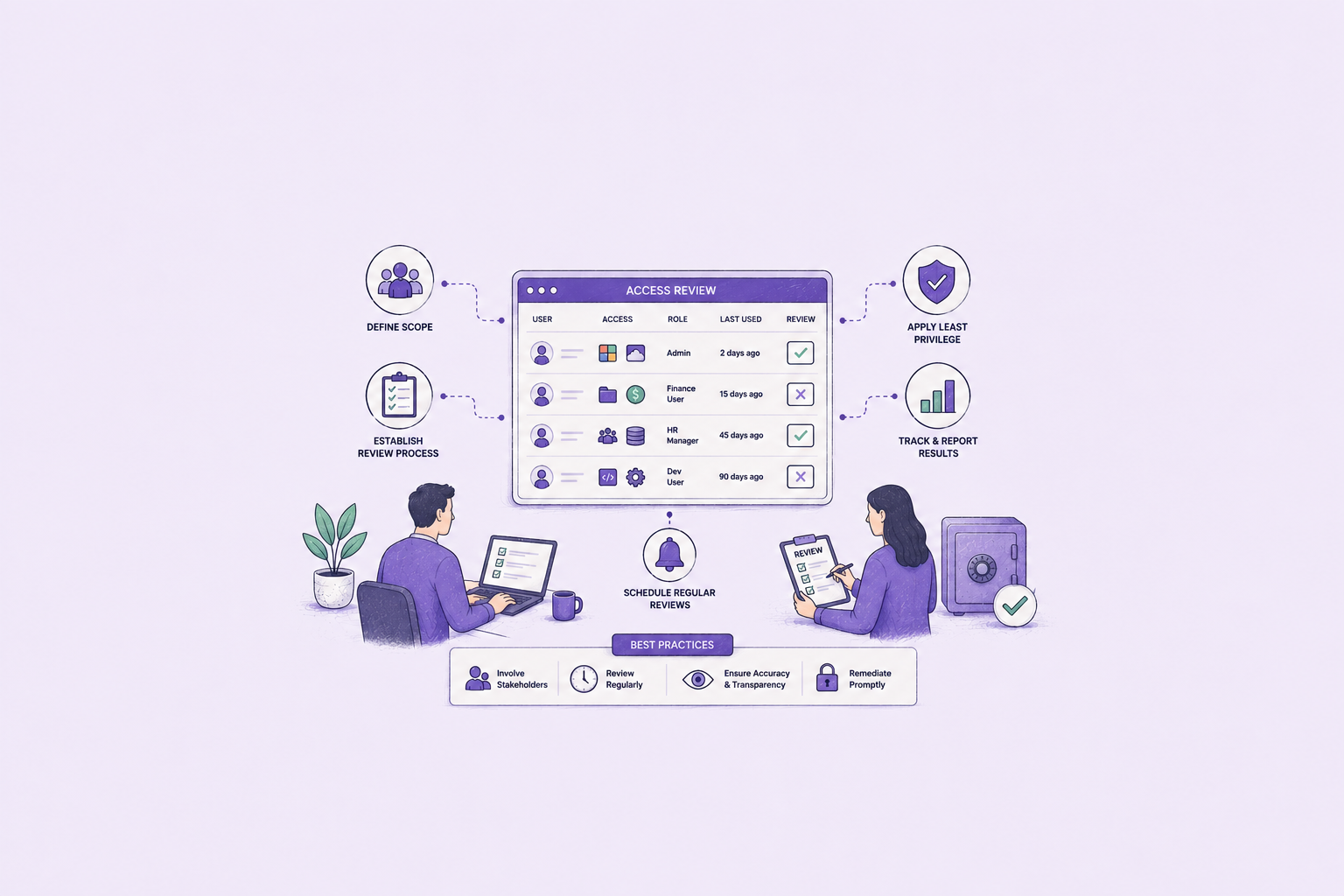
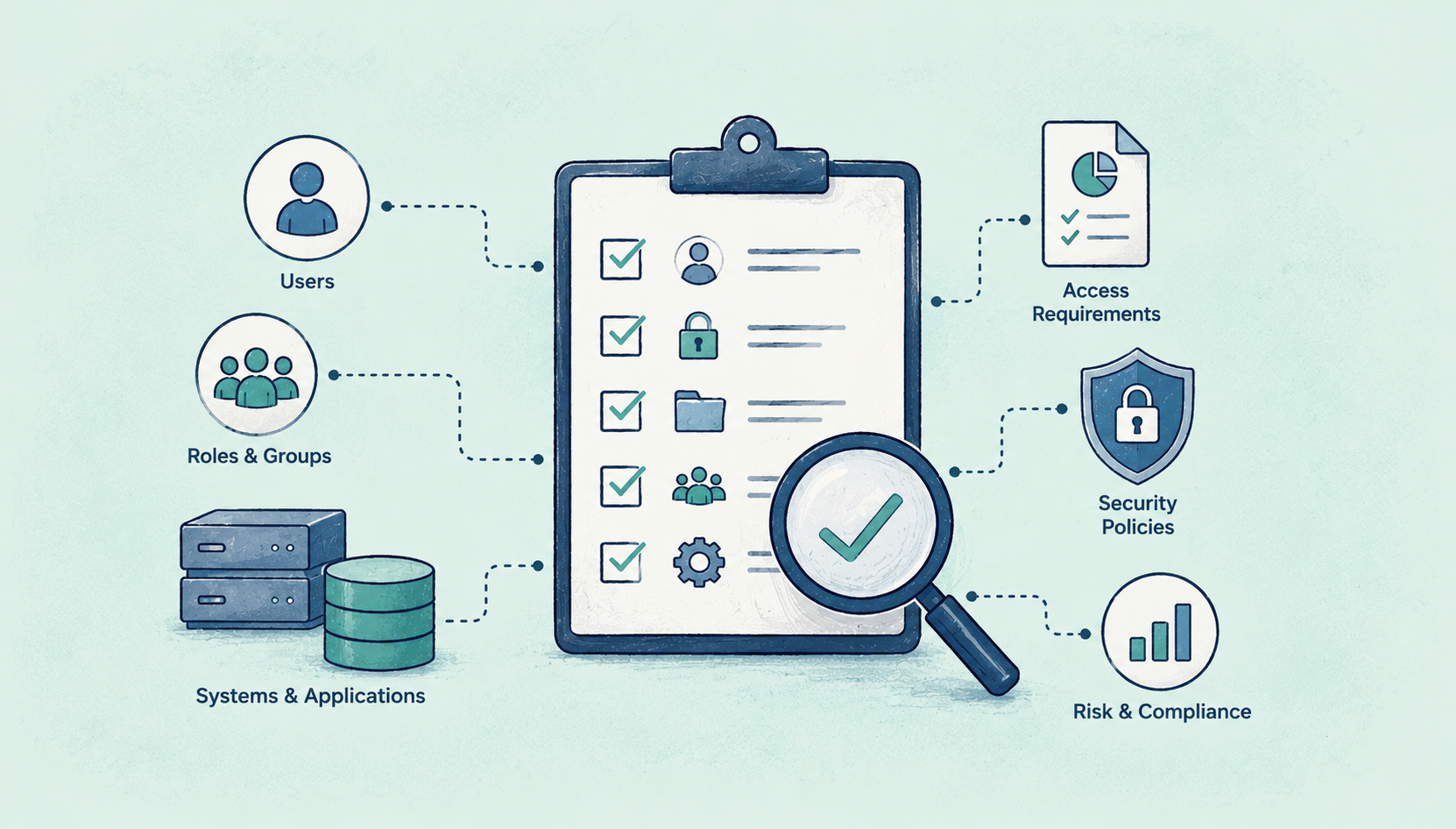
With RBAC, resource access permissions are associated with specific roles (for example, administrator, finance, or developer). When users are assigned to a role, they automatically acquire all access permissions authorized for that role.
RBAC roles protect sensitive data, systems, and resources from unauthorized access or modification. They limit over-provisioning by enforcing the principle of least privilege (POLP), ensuring each role provides only the minimum access needed to perform specific job duties.
User identities can be assigned to multiple RBAC roles, creating a unique set of permissions for a single user. Likewise, multiple users can be assigned to a single role, establishing standardized access for a group.
Predefined and custom-defined RBAC roles
Many vendors provide predefined RBAC roles for common functions that can be incorporated into their own or third-party IAM tools. Using predefined roles helps organizations save time, reduce support costs, and minimize security risks caused by misconfigured permissions.
Custom-defined RBAC roles are created and managed by designated role administrators using RBAC tools such as Tello IAM. Role administration—including creation, maintenance, permission assignment, and user-role assignment—may be handled by IT administrators, security teams, application owners, or other authorized personnel.
Basic rules for RBAC role implementation
According to the National Institute of Standards and Technology, RBAC implementations should follow these foundational rules:
-
Role assignment: A user can perform a transaction only if they are assigned to a role.
-
Role authorization: A user’s active roles must be authorized, ensuring no conflicts of interest or separation of duty violations.
-
Permission authorization: A user can execute a transaction only if it is permitted by their role memberships and any applied constraints.
Four types of role-based access control roles
RBAC solutions typically define roles using a combination of the following types:
-
Core RBAC (Flat or Basic RBAC): The minimum requirement for all RBAC systems, adhering to the basic RBAC rules and the principle of least privilege.
-
Hierarchical RBAC: Roles are structured in a hierarchy, allowing higher-level roles to inherit permissions from subordinate roles.
-
Constrained RBAC: Adds restrictions to prevent users from performing conflicting actions, supporting separation of duties (SoD).
-
Symmetrical RBAC: Involves regular review and adjustment of role permissions to prevent unused or excessive access and reduce overprovisioning.
Benefits of using role-based access control roles
RBAC provides several advantages over manual user provisioning:
-
Centralized role management, auditing, and reporting: Simplifies visibility and control over user permissions.
-
Streamlined onboarding and offboarding: Assigns and removes access based on job roles rather than individual permissions.
-
Reduced IT support costs: Minimizes manual access management across systems.
-
Enhanced security: Enforces least-privilege access and reduces attack surfaces.
-
Support for separation of duties: Helps prevent conflicts of interest in critical business processes.
Learn more about RBAC
Contact Seasoft Security to learn how tools like Tello IAM can help you implement effective role-based access control. IAM experts can provide tailored assessments and recommendations for deploying RBAC and other identity and access management capabilities.